
In short
- Cades Cove is an 11-mile loop known for open valleys and frequent wildlife sightings.
- Roaring Fork is a 5.5-mile shaded forest loop running alongside mountain streams.
- RVs, buses, and trailers are strictly prohibited on the Roaring Fork loop.
In this article
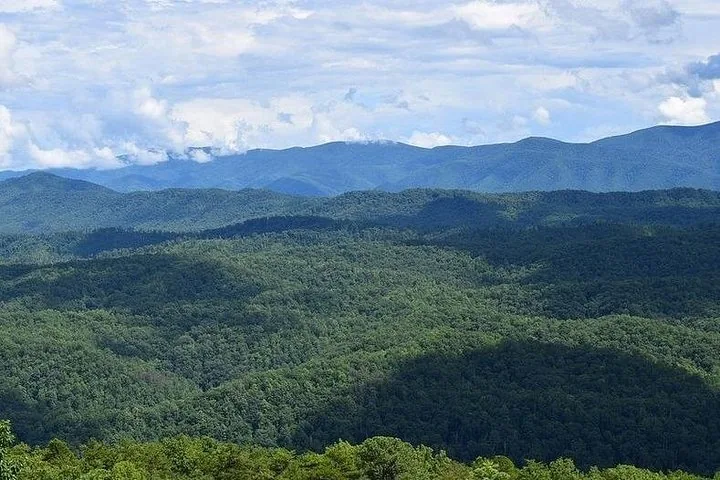
Great Smoky Mountains National Park features 384 miles of scenic roads. The two most popular driving routes offer distinct ways to see the park. Cades Cove provides expansive views and higher chances to spot black bears. Roaring Fork takes you through dense woods and past historic cabins. Your vehicle size and available time will dictate the best option.
What is Cades Cove?
Cades Cove is an 11-mile, one-way scenic driving loop through a historic valley.
This route requires 2 to 4 hours to complete. It offers high chances to see black bears, coyotes, and white-tailed deer. Traffic moves very slowly during the summer and fall seasons. You can explore preserved 19th-century Appalachian cabins along the way. Visit early in the morning to beat the heaviest crowds.
What is the Roaring Fork Motor Nature Trail?
Roaring Fork is a 5.5-mile, one-way loop road through old-growth forests.
The drive takes about 2 hours to finish. The road is narrow and winding. You will pass rushing mountain streams and historic buildings. The route provides immediate access to popular trailheads, including the path to the 80-foot Laurel Falls. This route is heavily shaded by the dense forest canopy.

How do Cades Cove and Roaring Fork compare?
Cades Cove takes longer and features open valleys, while Roaring Fork is a shorter forest drive.
Review the key differences to decide which route fits your day. Both routes require a valid parking tag if you stop to explore for more than 15 minutes.
Which drive is better for wildlife viewing?
Cades Cove is the superior choice for spotting animals.
The open valley layout of Cades Cove makes it much easier to see wildlife from a distance. The park has a high density of black bears. You might also spot coyotes and deer in the open fields. Roaring Fork has dense tree cover, which obscures visibility. Always stay at least 50 yards away from bears and elk.
Can any vehicle drive these routes?
No, Roaring Fork has strict vehicle restrictions.
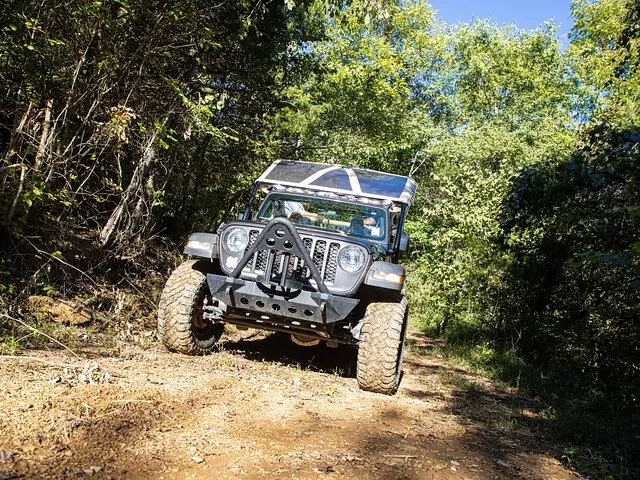
RVs, buses, and trailers are strictly prohibited on the Roaring Fork Motor Nature Trail. The road is too steep, narrow, and winding for large vehicles. Standard cars and SUVs can handle both routes. Keep in mind that parking lots at trailheads along both roads fill up quickly.
Do I need to pay to drive these routes?
Driving is free, but parking requires a paid tag.
Great Smoky Mountains National Park does not charge an entrance fee. However, if you park your vehicle for more than 15 minutes, you must display a valid parking tag. Tags cost $5 for a daily pass or $15 for a weekly pass. You need this tag if you stop to hike, take photos, or view historic cabins.
Questions travellers ask
Which is better: Cades Cove or Roaring Fork?
It depends on your vehicle and goals. Choose Cades Cove for open valley views and wildlife. Choose Roaring Fork for a shorter, shaded forest drive along mountain streams. Remember that RVs and trailers cannot drive Roaring Fork.
Do I need a parking pass for the Smoky Mountains?
Yes, if you park for longer than 15 minutes. A parking tag costs $5 daily or $15 weekly. You must print and visibly display it in your vehicle to avoid tickets.
Can you drive through the Great Smoky Mountains?
Yes. The park features 384 miles of scenic roads. This includes 238 paved miles and 146 unpaved miles. Driving is the primary way to explore the massive 522,427-acre park.